
Laser welding is an advanced technology that has found wide acceptance in a variety of applications.
Thanks to its high precision and efficiency, it offers numerous advantages in various industries and for different materials.
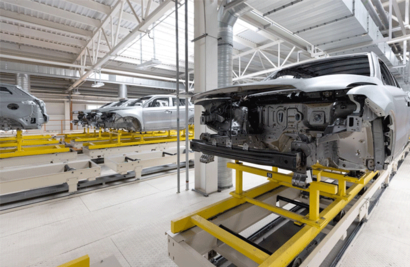
Laser welding plays a crucial role in the automotive industry, especially in the production of body parts, chassis and structural components. This technology enables the welding of materials of different thicknesses and compositions, such as high-strength steels, aluminum alloys and titanium, resulting in lighter, stronger and safer vehicles.

Laser welding is a key method in the energy industry, particularly in the production of solar cells, batteries and fuel cells. Materials such as silicon, copper and aluminum are often used to create efficient and durable energy solutions.
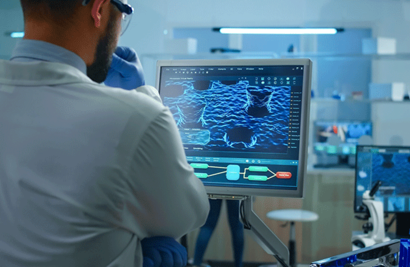
Medical technology uses laser welding to produce surgical instruments, implants and medical devices. Stainless steel, titanium and special biocompatible alloys are often used to create precise and reliable products.
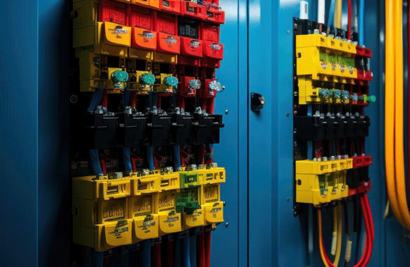
In the electronics industry, laser welding enables the production of the finest and most precise weld seams required for batteries, sensors, microelectronics and other sensitive electronic components. Copper, gold and silver are often welded to meet the high requirements for conductivity and reliability.

Laser welding is used in jewelry and watchmaking to create fine and aesthetically pleasing joints. Materials such as gold, silver, platinum and stainless steel can be joined without visible weld seams, resulting in high-quality and durable products.

The packaging industry uses laser welding for the production of metal packaging and containers used in the food and beverage industry as well as in the chemical industry. Aluminum and stainless steel are the preferred materials here to ensure corrosion-resistant and hygienic packaging.